Why Exhibitors in Los Angeles Are Bringing Their Own Internet to Events
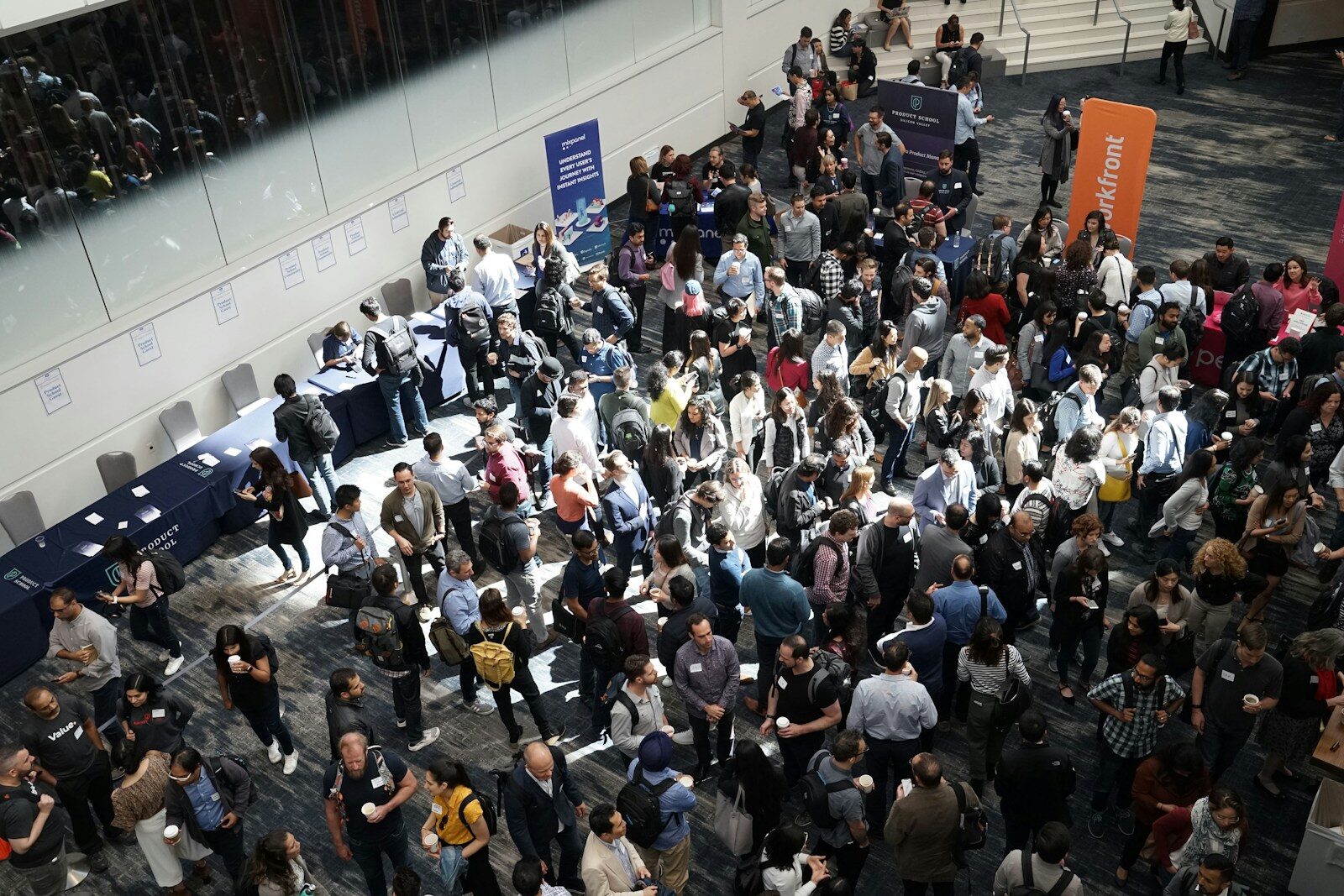
Photo by Product School on UnSplash
Los Angeles has become one of the busiest event cities in the United States, hosting everything from consumer expos to large industry conventions. Exhibitors who travel from across the country often expect solid connectivity from venues, only to discover that the city’s most popular event spaces become extremely congested once crowds arrive.
With digital displays, online order systems, live demos, payment terminals, and cloud-hosted apps now serving as everyday booth necessities, exhibitors are treating reliable internet as seriously as lighting or signage. As LA’s event traffic grows, more vendors are walking in with their own private connectivity rather than depending on shared venue WiFi.
“Los Angeles venues are great from a logistical standpoint, but the load on the network is extreme,” said Angelo Herrera, a network engineer who has worked events at the LA Convention Center for more than a decade. “When tens of thousands of people come into the hall with multiple devices each, the environment becomes highly unpredictable — especially during mid-day crowd surges.”
Why Los Angeles Events Put Extra Pressure on Connectivity
According to a tourism report by Visit California, Los Angeles welcomed over 46 million visitors last year. A considerable number came for conventions, shows, or festivals. The Los Angeles Convention Center alone hosts nearly 300 events per year, with some individual events — like Anime Expo — regularly surpassing 100,000 unique attendees, and the LA Auto Show filling over one million square feet of exhibit space.
This volume means exhibitors routinely face more device interference, heavier bandwidth sharing, and unstable WiFi during peak hours. While venues are well-equipped, the sheer density of modern event traffic pushes even strong systems to their limits.
Where Exhibitors Run Into Trouble
Most connectivity problems stem from a few predictable choke points. At the Los Angeles Convention Center, thick concrete structures combined with crowded show floors create difficult coverage zones. Hotels near Downtown and Hollywood often rely on conference-wing WiFi that simply wasn’t designed for event usage. Outdoor events in beach areas like Santa Monica face signal inconsistency when carrier traffic spikes near tourist hubs.
“Some exhibitors assume that because Los Angeles is tech-friendly, every venue WiFi network will be flawless,” said Tomás Bell, an LA-based technical production manager. “But it depends on crowd size, placement of access points, and the number of exhibitors trying to stream or process transactions at the same time.”
Why Exhibitors Are Choosing Private Internet
A growing number of vendors are opting for dedicated bonded multi-carrier kits rather than relying on venue services alone. The reasons are practical. Credit card systems need consistent uptime — portable point-of-sale terminals fail when network latency spikes. Live presentations and digital displays demand steady throughput. CRM and lead capture tools that run online freeze if WiFi drops, even briefly.
Solutions like Los Angeles event WiFi supply bonded multi-carrier kits designed to maintain stable performance even when on-site networks hit their limit, giving exhibitors a way to control their own connectivity without depending on venue systems.
Beyond reliability, private internet also gives exhibitors the ability to create a secured, separate network — keeping attendees or neighboring booths from piggybacking on bandwidth reserved for transactions and demos.
“When exhibitors bring their own internet, it actually helps the venue,” said Rebecca Iwata, a technical director working events across Hollywood and Downtown LA. “It reduces strain on the shared network and improves the experience for everyone.”
How to Do It Right
Most Los Angeles event organizers permit exhibitors to bring external bonded internet kits, since they operate independently of the venue’s wired infrastructure. To get the most out of a private setup, exhibitors should confirm equipment rules with the organizer in advance, select a bonded multi-carrier kit to ensure performance if one carrier gets congested, and mount equipment above head level to improve signal quality in crowded spaces.
Testing during the busiest hours — rather than during setup — reveals weak spots before they become problems in front of customers.
The Bigger Picture
What makes Los Angeles different is that its events are hybrid spaces: part entertainment, part business, part cultural showcase. Exhibitors routinely combine retail, media, tech, and hospitality in a single booth, and they need unbroken connectivity throughout the day. For more on how venues and exhibitors are adapting to this demand, OnLosAngeles.com has covered the city’s evolving event infrastructure in depth.
In a city that hosts influencers, media teams, and camera crews at nearly every event, reliable internet isn’t a luxury — it’s a baseline requirement.